
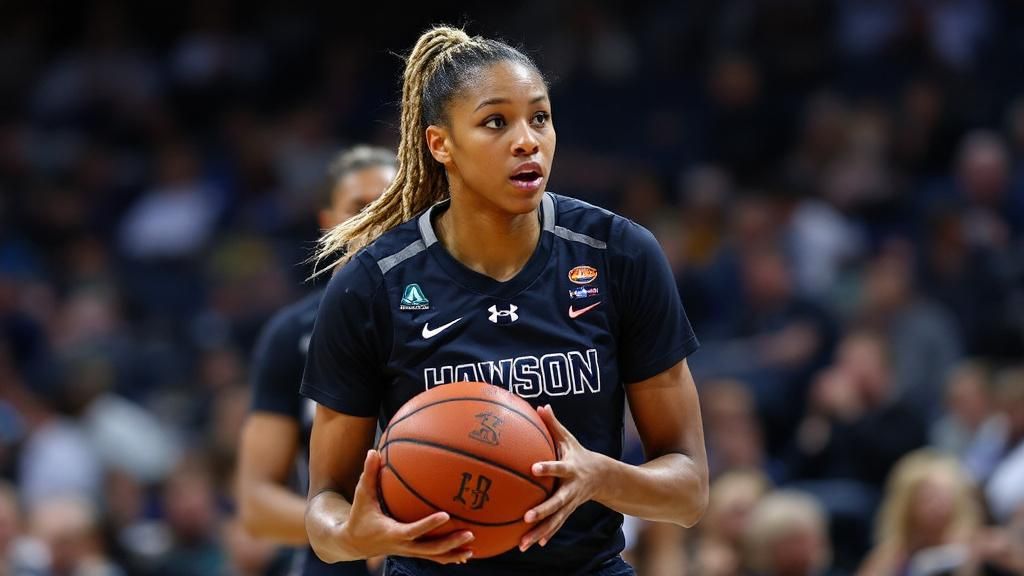
The opening women’s basketball tournament has exceeded all expectations, attracting record-breaking attendance to venues nationwide and setting new records in the process. From packed-out venues to standing-room capacity audiences, the competition has captured the public’s imagination like never before. This article explores the exceptional turnout statistics, determines which locations saw the highest attendance, and explores the reasons fuelling this exceptional increase in fan engagement—signalling a transformative moment for women’s sport in Britain.
Record-Setting Visitor Numbers
The women’s basketball tournament has exceeded all projections, with total attendance numbers reaching unprecedented levels across the nation. Organisers projected approximately 150,000 spectators throughout the tournament; however, end totals exceeded this estimate by a significant amount. Several venues sold out weeks in advance, whilst others created additional capacity to accommodate the overwhelming demand. This remarkable attendance demonstrates a significant change in public view regarding women’s professional sport and validates the funding allocated for developing competitive women’s basketball at the elite level.
Individual match attendance records have been systematically broken across the entire tournament. The semi-final match witnessed 8,500 spectators, establishing a new benchmark in women’s basketball in the UK. Various arenas recorded their largest crowds in recent sporting memory, with some arenas exceeding their usual capacity levels. The consistent sell-out performances throughout different regions demonstrate that interest in women’s basketball goes far further than traditional strongholds. This national reach points to authentic countrywide appeal rather than scattered pockets of enthusiasm, underlining the tournament’s importance.
The attendance increase shows growing cultural movement surrounding women’s athletics in Britain. News coverage, digital engagement, and community promotion efforts have jointly driven increased visibility and ease of access. Ticket pricing strategies, created to encourage participation from varied economic circumstances, have proven to effectively expanded the fanbase. The competition’s success provides compelling evidence that significant audiences support women’s athletic events when adequate promotional support and systems are allocated. These record-breaking figures create a fresh benchmark for future women’s basketball competitions.
Supporter Involvement and Venue Experiences
The tournament’s exceptional attendance figures showcase far more than mere statistical success; they highlight a core shift in how viewers interact with women’s basketball. Attendees made trips far and wide, taking families and friends to see compelling contests and recognise athletic excellence. The electric energy established throughout venues generated genuine community connections, with fans expressing enthusiasm through organised chants, creative signage, and continued backing throughout tournament fixtures, creating new benchmarks for audience involvement in women’s sports.
Improved Facilities and Amenities
Organisers recognised that outstanding crowd numbers required proportionate funding in venue infrastructure and attendee experiences. Up-to-date amenities, including upgraded seating arrangements, improved sightlines, and updated refreshment areas, ensured spectators experienced pleasant viewing conditions. Enhanced lighting systems and advanced sound systems elevated the event atmosphere, whilst inclusive amenities accommodated different visitor requirements. These extensive upgrades distinguished the competition as a premier sporting event, encouraging repeat attendance and good word-of-mouth endorsements amongst the broader community.
Beyond physical infrastructure, venues implemented creative supporter engagement initiatives that enriched the overall experience. Interactive zones, retail outlets, and face-to-face encounters with athletes generated memorable moments for supporters. Digital integration through mobile applications provided instant information, player information, and social media connectivity, allowing supporters to engage fully in the tournament narrative. Family-friendly programming, including performances between matches and dedicated children’s areas, ensured accessibility across all population segments and age brackets.
- High-end hospitality packages featuring dedicated seating and catering services
- Engaging fan zones featuring basketball engagement and technique displays
- Inclusive facilities including wheelchair spaces and sensory-friendly areas
- Entertainment performances and performance shows during match intervals and between periods
- Official retail outlets and athlete autograph sessions across the venue
The collective funding for enhanced amenities and fan experiences directly contributed to the tournament’s historic attendance milestones. Venues that focused on spectator comfort and interaction continually demonstrated increased attendance numbers and remarkably positive responses from spectators. This outcome demonstrates that contemporary sports fans demand comprehensive experiences extending beyond competitive play alone, valuing convenience, entertainment, and community connection alongside sporting prowess and competitive standards.
Impact on Women’s Basketball Expansion
The historic attendance figures signify a watershed moment for women’s basketball in Britain. These unprecedented numbers demonstrate substantial public appetite for top-tier women’s athletics, questioning long-held assumptions about spectator engagement. The tournament’s success has validated investment in women’s sport and prompted governing bodies to reassess funding allocations. Press attention has expanded significantly, bringing basketball to broader audiences not yet acquainted with the sport. This exposure creates a virtuous cycle, promoting participation at community level and inspiring young athletes to develop professional ambitions in basketball.
Sponsorship and commercial interest have increased significantly in the wake of the tournament’s triumph. Major brands recognise the marketing potential of women’s basketball, with several corporations committing significant funding to future events. This financial influx allows for better pay for athletes, enhanced infrastructure, and improved event management. The growing financial returns allow leagues to fund player development programmes and grassroots initiatives. Furthermore, business support legitimises women’s basketball as a legitimate professional sport, raising its profile within the sports industry and attracting additional investment from institutional stakeholders looking to align with this expanding sector.
Looking forward, the tournament’s success builds momentum for ongoing growth in women’s basketball. Tournament organisers are already developing larger-scale competitions and additional venues for future competitions. Rising participation and interest suggest viable pathways for professional women’s basketball leagues to thrive financially. The demonstrated fan loyalty and enthusiasm provide assurance for extended planning initiatives and structural growth. As involvement grows and media interest intensifies, women’s basketball is set to establish itself as a cornerstone of British sports culture, motivating generations of athletes and engaging audiences nationwide.
