
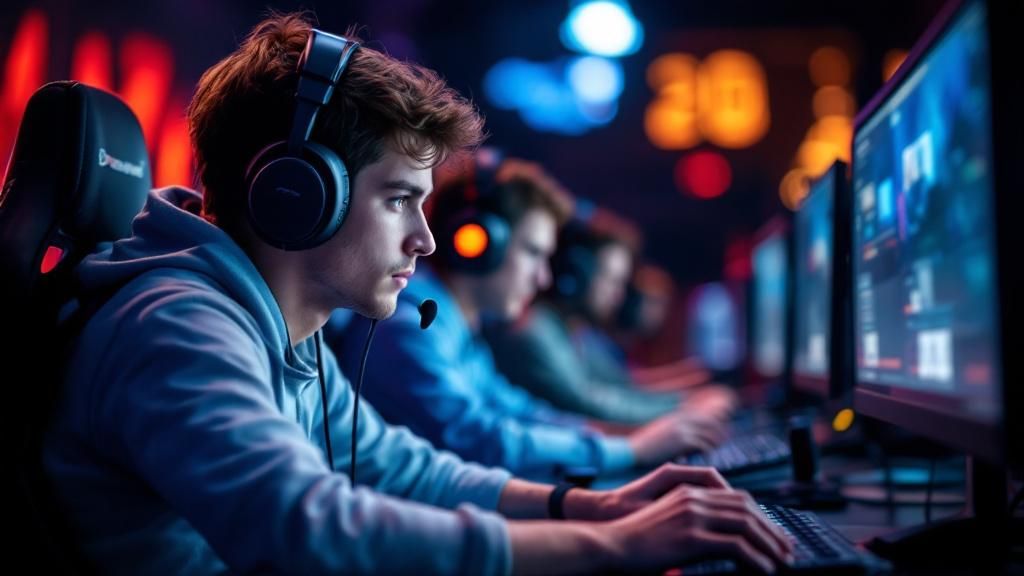
The esports industry has experienced a significant transformation, with professional teams now acknowledging that competitive gaming requires more than exceptional skill and reflexes. Mental health has become a critical component of player performance and wellbeing, prompting leading organisations to invest substantially in psychological support services. From dedicated sports psychologists to tailored wellness programmes, this article examines how top esports teams are pioneering comprehensive mental health initiatives, tackling burnout, anxiety, and the unique pressures of professional gaming.
The Growing Significance Of Mental Wellbeing In Professional Gaming
The esports landscape has undergone a profound shift in recent years, with mental health emerging as a cornerstone of competitive achievement. Top esports teams now recognise that sustained peak performance requires mental toughness alongside technical skill. Players face unprecedented pressures, including intense competition, global scrutiny, and rigorous training regimens. Consequently, progressive organisations have begun prioritising mental wellbeing as integral to their competitive strategy, recognising that a player’s mental condition directly influences their in-game performance and career duration within the profession.
Professional esports presents distinct mental health pressures that differentiate it from traditional sports. The sedentary nature of gaming, paired with extended screen time and lack of social interaction, produces distinct mental health concerns. Players often experience competitive stress, particularly during major competitive events where millions of pounds and sponsorship deals are at stake. Additionally, the relatively young demographic of professional gamers means numerous players miss the emotional development and psychological strategies to manage such high-level stress. Teams dedicating support to mental health support acknowledge these particular difficulties and customise their support strategies, making certain players get suitable mental health support.
The stigma surrounding mental health in gaming has conventionally prevented transparent conversation about mental health challenges. However, notable recent incidents of competitor fatigue and psychological emergencies have catalysed meaningful change within the industry. Progressive esports organisations now champion mental wellbeing publicly, showing that pursuing professional help signals resilience not fragility. This industry evolution has established as standard discussions regarding emotional wellbeing and self-care amongst athletes and support personnel. By eliminating prejudice around emotional support, leading teams create environments where players feel comfortable seeking assistance before conditions deteriorate.
Investment in mental health facilities reflects esports’ development as a competitive industry. Elite organisations now engage committed mental health professionals, performance mentors, and wellbeing managers. These professionals work together with players to establish psychological coping mechanisms, manage stress, and sustain psychological equilibrium throughout intense competitive seasons. Furthermore, comprehensive wellness programmes often include fitness training, nutritional guidance, and sleep optimisation, recognizing that comprehensive health strengthens mental resilience and sustained competitive performance.
The financial consequences of neglecting psychological wellbeing are significant for esports organisations. Player fatigue leads to lower output, greater player departures, and weakened group dynamics, ultimately affecting tournament results and revenue generation. Conversely, organisations committing resources in psychological services experience improved player retention, improved motivation, and markedly superior competitive performance. This strategic rationale has convinced even historically doubtful stakeholders that wellbeing initiatives constitutes a prudent expenditure rather than an optional luxury, substantially transforming how competitive gaming outfits distribute funding.
Full-scale Mental Health Initiatives Across Elite Teams
Top esports organisations have established integrated wellbeing frameworks that surpass standard support schemes. These broad-ranging efforts acknowledge that competitive players face particular psychological demands, including intense competition pressure, non-standard timetables, and persistent observation of digital communities. Top teams now employ dedicated mental health professionals, carry out routine psychological checks, and create supportive team environments where players feel comfortable discussing psychological concerns without worry of discrimination or workplace ramifications.
Expert Mental Health Support Services
The inclusion of trained mental wellbeing experts within esports organisations constitutes a significant shift in sector practices. Many top teams now engage sports mental health specialists, therapeutic counsellors, and mental performance coaches who partner with players to create management techniques and mental toughness strategies. These professionals deliver individualised therapy sessions, collective training programmes, and crisis intervention support, ensuring that players can quickly reach professional support whenever psychological challenges arise during their esports careers.
Professional psychological assistance goes further than traditional therapy, encompassing performance improvement and mental conditioning methods specifically designed for competitive gaming. Mental health professionals partner with coaching staff to embed psychological training into daily practice schedules, helping players build concentration, manage anxiety, and maintain emotional equilibrium during intense matches. This combined methodology guarantees that mental wellbeing gets integrated within team culture rather than remaining a peripheral concern.
- Individual therapy sessions focusing on individual mental health issues
- Competitive stress management and stress reduction strategies
- Rest quality enhancement and circadian rhythm support programmes
- Drug and alcohol awareness and dependency assistance programmes
- Urgent support and acute psychological care availability
Teams have acknowledged that preventative psychological strategies demonstrate significantly impactful than after-the-fact responses. Consistent mental health evaluations help spot early warning signs before they develop into significant psychological emergencies, permitting specialists to introduce prompt therapeutic approaches. This preventative method decreases athlete exhaustion, limits performance interruptions, and creates safer team environments where psychological health receives equivalent consideration with physical training and strategic development.
The presence of specialist mental health staff also normalises psychological support within esports culture, prompting competitors to access support without facing stigma or criticism. By demonstrating organisational commitment to mental wellbeing through qualified personnel, teams signal that psychological health matters equally to competitive performance. This change in attitudes has proven instrumental in diminishing prejudice, enhancing willingness to seek assistance, and building stronger team unity through collective dedication to overall player mental health and support.
Consequences And Outlook Ahead
The commitment to mental health support by esports organisations at the professional level is already yielding measurable results. Players report improved performance consistency, reduced anxiety during high-stakes tournaments, and increased job satisfaction overall. Organisations have observed reduced player departures and improved team unity amongst squads with robust psychological support systems. These positive outcomes demonstrate that focusing on psychological wellbeing directly supports competitive success, questioning outdated perceptions that gaming performance depends exclusively on technical proficiency and mechanical ability.
Looking ahead, psychological support services will likely emerge as a common requirement within professional esports. Industry analysts expect greater specialisation of mental health services, with teams employing sport psychologists with expertise in esports environments. As the sector matures and prize pools expand, organisations will increasingly acknowledge that extensive player support initiatives constitute critical expenditures rather than discretionary spending, fundamentally transforming the overall competitive ecosystem.
