
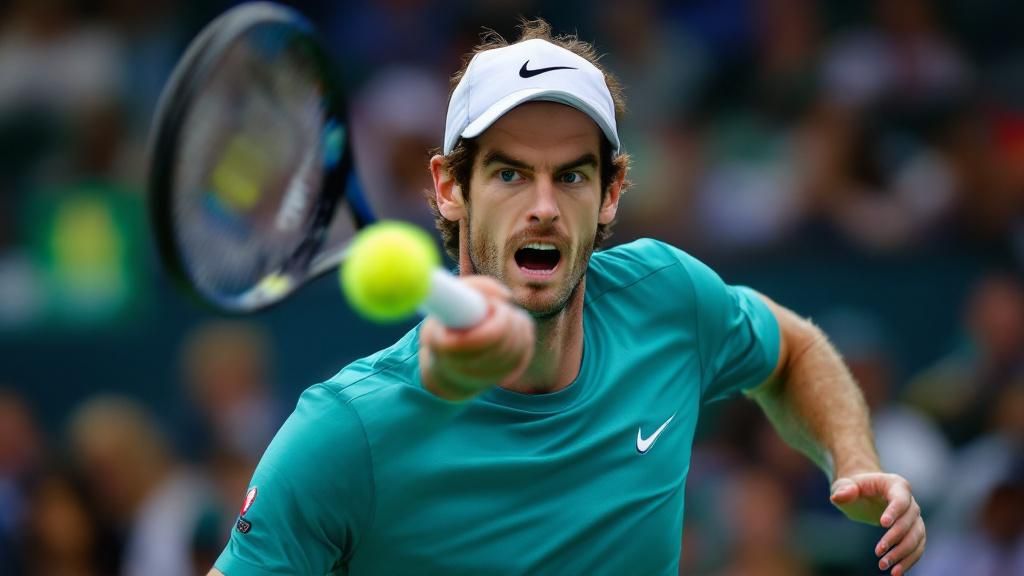
Andy Murray’s strategically designed comeback to professional tennis has disrupted the British athletics hierarchy, indicating a possible resurgence for the nation’s most successful player. Following his career-threatening hip surgery, Murray’s measured reintroduction to competition promises to reshape the state of British tennis, motivating a younger cohort whilst rekindling hopes of additional major championship victories. This article examines how his disciplined method to tournament competition is influencing developmental programmes, mentoring emerging talent, and repositioning Britain as a formidable force in international tennis.
The Champion’s Return
Andy Murray’s re-entry into professional sport goes well beyond a singular success; it demonstrates perseverance and fortitude that reverberates through British sport. After facing a serious hip procedure that threatened his career, many doubted if the three-time major winner would ever compete at the highest level again. His choice to attempt a return, however, showcases resolute devotion to his sport and an unbreakable resolve that has defined his competitive life. The athletics fraternity observes with keen interest as Murray navigates this pivotal chapter, proving that neither age nor injury must shape an athlete’s direction or competitive ambitions.
The significance of Murray’s comeback plan extend well beyond his personal results on court. His involvement with professional tournaments revitalises British tennis, offering a tangible example of resilience to younger players navigating their own challenges. Moreover, his resurgence tale delivers invaluable lessons in mental fortitude and physical rehabilitation, establishing new standards for athletic longevity. As Murray competes once more, he concurrently guides the next generation, building a bridge between recognised achievement and emerging talent that reinforces the whole British tennis landscape.
Influence on British Tennis Growth
Murray’s return to professional competition has generated significant momentum within UK tennis development. His participation in top-tier events boosts the game’s standing within the UK, generating enhanced financial support in young player training schemes and training facilities. The knock-on benefits reach past top-level competition, encouraging local engagement and prompting sports authorities to focus on talent spotting and nurturing pathways for emerging British players.
Mentorship and Guidance
Beyond his on-court performances, Murray has assumed an increasingly prominent coaching position within the UK tennis sector. His willingness to share expertise acquired through performing at the highest level provides essential support to emerging talent navigating their own professional paths. This informal coaching impact enhances formal structures, delivering practical insights into tournament preparation, mental resilience, and handling career demands.
Murray’s availability to up-and-coming athletes represents a departure from established pecking orders across professional competition. By collaborating with promising young players, he shows dedication to the advancement of British tennis. His mentorship extends beyond technical instruction, encompassing career planning, sponsorship negotiations, and psychological strategies essential for sustaining long-term competitive success at international level.
- Provides strategic guidance on tournament selection and scheduling
- Shares mental resilience methods built over career
- Facilitates connections to training and advisory networks
- Demonstrates workplace excellence through consistent work ethic
- Encourages balanced approach between drive and personal wellbeing
Performance Comparison and Rankings
Murray’s comeback to professional competition has shown impressive durability, with his statistical indicators revealing a athlete seeking to recapture his standing among the sport’s top players. Despite the inherent physical rigours of elite-level play, his ranking trajectory has steadily improved, demonstrating his technical proficiency and mental fortitude. His victories against established competitors have sparked renewed debate about his capacity to challenge for championship victories, whilst at the same time offering valuable data on his physical rehabilitation and competitive readiness.
The strategic approach of Murray’s tournament selection has proven instrumental in managing his recovery whilst maintaining competitive edge. By thoughtfully juggling elite-level events with adequate recovery periods, he has optimised his performance trajectory without compromising long-term sustainability. His results have energised British tennis enthusiasts and commentators alike, proving that prior injuries and advancing years need not reduce a player’s competitive ambitions or accomplishments at the highest echelons of professional sport.
Coming Prospects and Influence
Andy Murray’s deliberate re-entry to professional competition has substantially reshaped views on what constitutes a thriving career in tennis. His thoughtful methodology demonstrates that sustained play and deliberate competition can coexist physical challenges, providing meaningful guidance to aspiring athletes across the world. The broader impact of his return transcend personal achievement; Murray’s involvement in professional tennis revitalises British tennis infrastructure, generating financial support and public interest once allocated to other areas. His effect on the next generation illustrates how seasoned expertise and determination go beyond conventional career trajectories, setting updated measures for competitive determination.
Looking forward, Murray’s legacy will undoubtedly include more than tournament victories and ranking positions. His dedication to developing rising British players has established a sustainable pathway for the coming generation of competitors aiming for international success. By balancing competitive ambitions with developmental responsibilities, Murray has positioned himself as both competing player and custodian of British tennis’s future. This two-fold responsibility strengthens the nation’s sporting framework whilst ensuring his substantial knowledge benefits the sport far beyond his final competitive appearance, cementing his status as influential presence within British sporting history.
