
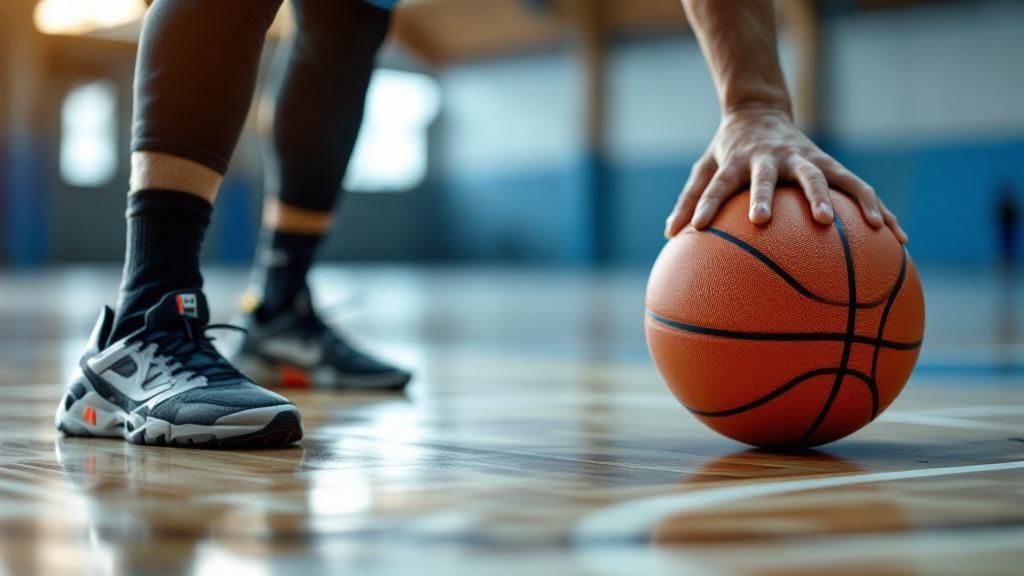
Basketball players encounter relentless physical challenges that risk shortening their careers prematurely. However, introducing scientifically-backed injury prevention strategies can markedly increase an athlete’s longevity on the court. This article investigates the most effective techniques—from focused conditioning work and range-of-motion exercises to proper recovery protocols and biomechanical analysis—that help players shield themselves against typical injuries. Discover how elite and recreational athletes alike are utilising these proven methods to maximise their playing years and maintain peak performance during their time in the sport.
Significance of Preventing Injuries in The Sport of Basketball
Basketball ranks among one of sport’s most athletically rigorous disciplines, requiring forceful motion, rapid directional changes, and sustained cardiovascular effort. The constant cycle of training and competition places considerable strain on athletes’ skeletal and muscular structures. Without adequate preventative strategies, athletes may sustain acute injuries or chronic conditions that can prematurely terminate promising careers. Implementing proactive strategies allows players to maintain their physical integrity whilst continuing to perform at top-tier standards throughout their playing years.
The economic impact of basketball injuries reach past individual athletes to cover entire franchises and clubs. Teams lose valuable assets when key players experience prolonged injury setbacks, impacting performance, revenue, and ongoing competitive planning. Healthcare costs, rehabilitation costs, and diminished performance represent substantial financial commitments that clubs must absorb. By emphasising preventative injury strategies, organisations demonstrate commitment to athlete welfare whilst protecting their competitive interests and economic security. This twofold advantage makes prevention strategies cost-effective for all stakeholders involved.
Career longevity is closely linked to an athlete’s ability to avoid debilitating injuries that compromise physical capabilities. Players who sustain peak conditioning, flexibility, and biomechanical efficiency enjoy longer careers and higher earning capacity. Injury prevention strategies empower athletes to take control of their health outcomes rather than viewing injury as a necessary outcome of participation. This proactive mindset significantly changes how modern basketball players tackle their professional development and career planning approaches.
Essential Physical Conditioning and Strength Methods
Comprehensive conditioning establishes the cornerstone of injury prevention in basketball. Players must establish well-rounded strength training programmes that target supporting muscles around vulnerable joints, notably the ankles, knees, and shoulders. Incorporating eccentric exercises—where muscles elongate under stress—is particularly effective for minimising ligament injuries. Progressive resistance training, integrated with plyometric work, enhances strength endurance and proprioception. Coaches should establish structured training phases that balance intensity with proper recovery, guaranteeing athletes create strength without overtraining. This organised strategy substantially decreases injury risk whilst maintaining playing performance.
Sport-specific fitness routines must mirror the rapid motions basketball demands. Side-to-side agility training, explosive jumping exercises, and varied-direction running drills equip the body for game scenarios. Core muscle development merits particular emphasis, as a solid core foundation boosts balance, decreases compensatory movements, and protects against lower back injuries. Functional training that replicates game scenarios—such as quick stopping and agility transition drills—strengthens neuromuscular coordination. Integrating these methods into regular training schedules allows athletes to build physical resilience gradually, allowing longer, healthier careers whilst preserving the explosive capability crucial to basketball excellence.
Recovery Approaches and Recommended Practices
Optimal recovery is critical to injury prevention and career longevity in basketball. Professional athletes recognise that the time spent on recovery is equally important as training itself. Implementing organised recovery strategies—including sufficient rest, nutritional intake, and strategic rest days—allows the body to restore tissue integrity and strengthen tissues. Players who focus on recovery experience enhanced athletic output, fewer injuries, and improved psychological strength. By treating recovery as a key element of their training regimen rather than a passive activity, basketball players can maintain their competitive edge whilst minimising injury risk throughout their careers.
- Ice baths decrease inflammatory response and enhance recovery efficiently.
- Foam rolling increases suppleness and relieves muscular tension daily.
- Adequate sleep promotes tissue healing and brain function.
- Massage therapy improves blood flow and decreases muscle pain.
- Good dietary intake refills energy reserves and aids recovery.
Integrating these recuperation techniques into a broad-based injury prevention strategy requires commitment and consistency from athletes and coaching staff alike. Modern basketball programmes increasingly utilise sports scientists and physiotherapists who design tailored recovery schedules suited to each player’s unique circumstances and medical background. By monitoring recovery markers such as pulse variation and sleep metrics, teams can enhance training loads and prevent overtraining. This information-led strategy to recovery demonstrates that prolonging athletic longevity depends not solely on reducing injury risk, but on enhancing the body’s potential for restoration and modification.
